
Hot showers, clean dishes, fresh laundry—your water heater quietly powers some of the most important parts of daily life. It’s also one of the bigger investments you’ll make in your home. To get the most from it, you want two things: a long lifespan and dependable efficiency. The good news? A few smart habits and simple steps can help you achieve both.
Below, we’ll walk through practical ways homeowners can keep their water heaters in top shape, whether you have a tank or tankless system.
Adjust Your Water Heater’s Thermostat
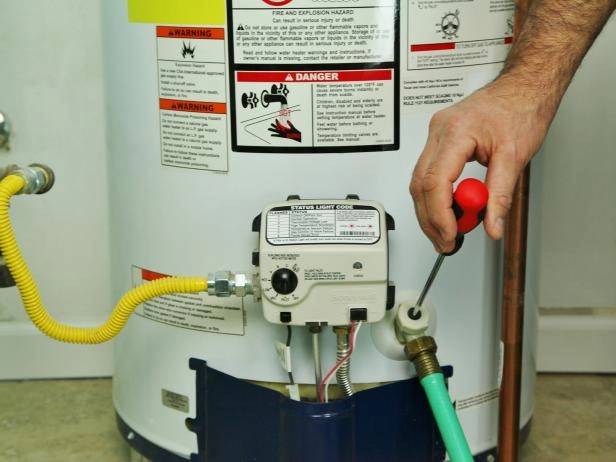
Every degree matters. A water heater set too high runs more often, wastes energy, and wears itself out faster. The Department of Energy recommends 120°F for most households—a temperature that balances comfort, safety, and efficiency. It’s hot enough for showers and dishes, but low enough to prevent scalding and keep energy bills in check.
Some manufacturers default to 140°F, largely due to concerns about bacteria like Legionella. But Legionella thrives between 95–115°F and isn’t a concern at 120°F in systems that are used regularly. Many modern heaters even have built-in cycles that briefly raise temperatures to kill bacteria automatically.
Use Vacation Mode When You’re Away
If you’ll be gone for more than two days, don’t waste energy heating water you won’t use. Many water heaters have a vacation mode that drops the temperature to the lowest setting, then temporarily spikes it to 140°F before gradually resetting.
No vacation mode? Simply turn the thermostat down before leaving and back up when you return. Once the system heats fully, reset it to the recommended 120°F.
Schedule Annual Maintenance
A common mistake homeowners make is not scheduling professional tune-ups for their water heaters until there’s a problem. This regular maintenance can be the difference between getting the full lifespan out of your water heater and needing to replace it early.
During a service visit, a plumber will inspect all components, flush the tank if you have one, and clean key parts like burners, elements, or thermostats. Tankless units require descaling instead. With yearly care, tank water heaters can last 15 years or more, and tankless systems can run for 20–25.
Flush Your Tank Annually
Minerals and sediment are in every water supply. Over time, they settle in your tank, eating away at its lining and sticking to heating elements. The result? Leaks, inefficiency, and early failure.
Flushing your tank once a year clears out that buildup. It protects components, improves heat transfer, and reduces the strain that leads to higher bills and shorter system life. A flush is included in a professional tune-up, so you can hit two birds with one stone.
Replace the Sacrificial Anode Rod
Inside every tank water heater is a metal rod called the anode. Its job is to attract corrosive minerals so they don’t attack your tank. But the rod eventually corrodes away—usually within 3–5 years, depending on water quality.
If the anode isn’t replaced, those minerals go after the tank instead, leading to leaks and premature replacement. A quick inspection during maintenance is all it takes to know if it’s time for a new rod.
Descale Tankless Water Heaters
Tankless systems don’t have anodes or tanks, but that doesn’t mean they’re safe from buildup. Limescale and sediment can clog valves and pipes or damage sensitive components. The fix is descaling—running a cleaning solution through the system with a pump.
How often? That depends on your water. With soft water, every 3–5 years is fine. In homes with harder water, descaling may be needed once or twice a year.
Consider Anti-Scale Protection
If your water is hard, consider extra protection. Anti-scale devices alter the chemical structure of minerals so they can’t cling to surfaces, while whole-home water softeners remove them entirely. Either option reduces buildup and extends the life of your heater and plumbing.
Add an Expansion Tank
As water heats and pressure rises, stress builds on your plumbing. Newer systems are required to have expansion tanks to handle that extra pressure, but many older ones don’t. If your water heater is still in good condition, adding an expansion tank is a smart way to prevent damage to both the heater and your pipes.
Insulate for Efficiency
Heat loss makes your water heater work harder than it should. Wrapping exposed pipes and fittings with insulation helps reduce wear and energy waste.
Do you need to insulate the tank itself? Fuel-burning systems don’t, since most of their heat loss is through venting. Electric systems may benefit from an insulated jacket and base—something worth discussing with your plumber.
Do a Quick Check Each Month
A little DIY monitoring goes a long way. Take a few minutes each month to:
- Look for leaks, rust, or corrosion
- Test the temperature and pressure relief valve (T&P)
- Check valves and connections for signs of wear
- Keep the area clear of dust, clutter, and flammable materials
These quick inspections help catch small issues early, when they’re easiest to fix.
Do You Need Water Heater Maintenance in the Treasure Valley?
Taking care of your water heater doesn’t just protect your investment—it protects your comfort. When you need professional service, Perfect is here for homeowners across Boise and the Treasure Valley.
Our expert plumbers handle everything from annual tune-ups to tank and tankless repairs, replacements, and upgrades. We also specialize in drains, sewers, repiping, water softeners, and whole-home filtration. With HVAC and electrical teams under the same roof, we’re the one call you need for complete home comfort.
Contact us today to schedule your water heater service or learn more about keeping your home systems running strong.