
When the Pentagon announced its FORTRESS America initiative in September 2026, one of the central priorities was strengthening infrastructure so military installations could maintain essential operations during major disruptions.
The program includes efforts to develop independent power generation and reduce reliance on the commercial electrical grid.
While FORTRESS America focuses on military readiness, the broader concept of identifying essential systems and preparing for interruptions applies to households as well.
For homeowners in Boise, Meridian, Nampa, Eagle, and surrounding Treasure Valley communities, that raises a practical question:
If your electricity went out for a full day or longer, would your home be prepared?
From air conditioning and heating to plumbing and refrigeration, many essential systems depend on electricity.
This checklist can help you identify potential concerns and take practical steps before the next outage.
What Does the Pentagon’s FORTRESS Plan Have to Do With Home Preparedness?
FORTRESS America, announced September 30, 2026, is an initiative focused on military energy independence, infrastructure protection, and operational resilience.
One objective is helping major military installations generate their own electricity to maintain essential operations during disruptions to the commercial power grid.
It is not a residential preparedness program or a warning that widespread blackouts are imminent.
However, the basic planning principle is useful for homeowners.
Understanding which systems are essential, what happens when they stop operating, and how to prepare alternatives can make a household more resilient.
Your Boise Home Power Outage Preparedness Checklist
1. Identify Your Essential Electrical Equipment
Start by creating a list of the systems your household relies on most.
That list might include:
- Heating and cooling equipment
- Refrigerator and freezer
- Essential lighting
- Internet and communication devices
- Sump pump or private well pump
- Medically necessary electrical equipment
Not every household needs to keep every appliance running during an outage.
Knowing which systems matter most can help you prioritize your preparedness budget.
2. Understand How an Outage Affects Your HVAC System
Central air conditioners, heat pumps, and most modern gas furnaces require electricity.
During a summer outage, the loss of air conditioning can allow indoor temperatures to rise.
During winter, a furnace may stop heating even when natural gas remains available, because its blower motor and controls require electricity.
Homeowners should understand how their particular HVAC equipment operates and avoid assuming a gas-powered heating system will continue working without electrical service.
Regular HVAC maintenance can help keep equipment in good working condition, but maintenance alone does not provide backup power.
3. Check Your Electrical Panel
Your electrical panel is a central part of your home’s power distribution system.
If you’re considering installing a backup generator, a professional evaluation can help determine whether your current electrical equipment is compatible with the planned system.
An electrician may review panel capacity, existing wiring, available circuit space, and the requirements for safely connecting backup power.
Not every home needs a panel replacement.
The goal is to identify any necessary upgrades before attempting a generator installation.
4. Evaluate Backup Generator Options
A backup generator can provide electricity during a utility outage.
Portable generators may support selected equipment when operated outdoors and connected safely.
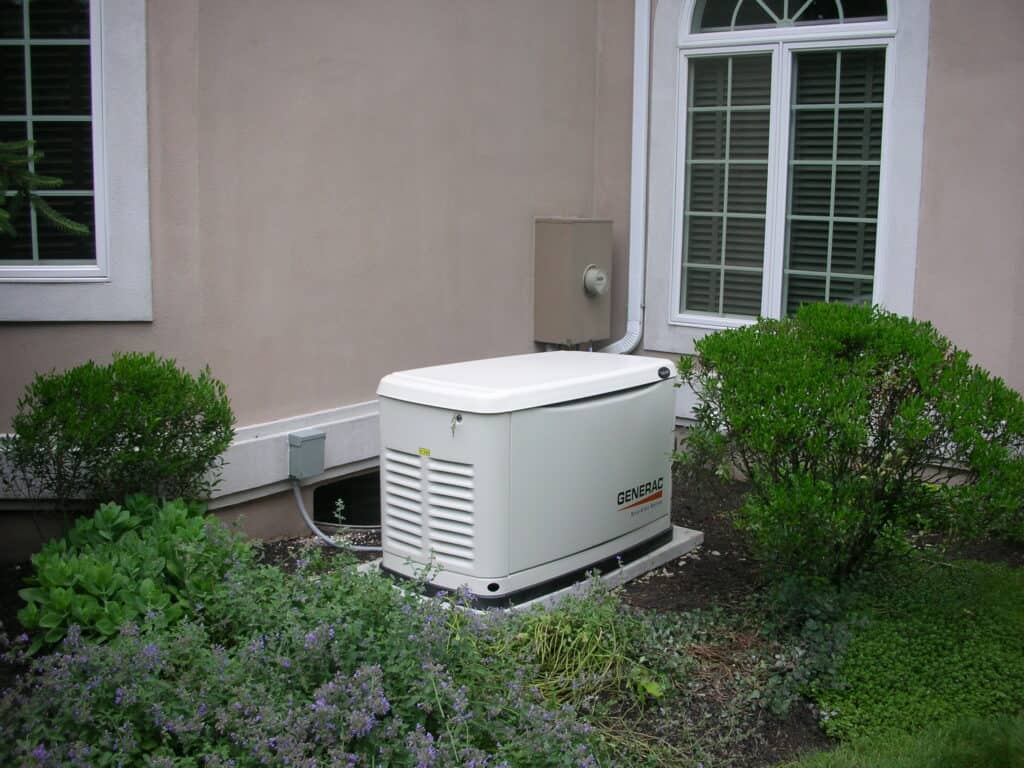
Permanently installed standby generators can automatically supply electricity through approved transfer equipment.
Depending on generator capacity, a standby system may operate selected essential circuits or a larger portion of the home.
Homeowners should consider the equipment they want to power, fuel availability, installation requirements, and total cost.
A professional electrical assessment can help determine the appropriate size and configuration.
5. Consider Plumbing and Water Systems
Power outages do not affect every home’s plumbing in the same way.
Homes connected to municipal water service may retain water pressure during certain outages.
However, private well pumps generally need electricity, so homes relying on wells may lose water pressure.
Electric sump pumps can also stop operating when utility power is unavailable.
Homeowners should identify which plumbing-related systems depend on electricity and whether any of them have backup protection.
6. Prepare Refrigerators and Freezers
Refrigerated and frozen food can become unsafe during an extended outage.
Federal emergency preparedness guidance estimates that an unopened refrigerator can generally keep food cold for about four hours.
A full unopened freezer may maintain safe temperatures for approximately 48 hours.
Keep refrigerator and freezer doors closed as much as possible during an outage.
After electricity returns, follow food safety guidance and check actual food temperatures when determining what can be kept.
7. Protect Your Home From Electrical Surges
Power restoration and other electrical events can sometimes be associated with voltage disturbances.
Whole-home surge protection can help reduce damage from certain electrical surges.
However, surge protection does not provide backup electricity or protect against every type of electrical problem.
Homeowners interested in surge protection should discuss their existing electrical system and equipment needs with a qualified electrician.
8. Prepare Emergency Supplies
A home emergency kit should include essential items that remain accessible without electricity.
Consider:
- Flashlights and batteries
- Drinking water
- Nonperishable food
- Necessary medications
- Power banks for communication devices
- Battery-powered weather alerts
- Important household contact information
- Working carbon monoxide detectors
Review supplies periodically and replace expired items.
9. Understand Generator Safety
Fuel-burning portable generators must always be operated outdoors, away from doors, windows, and vents.
Never operate a portable generator inside your home, basement, garage, or other enclosed area.
Never connect a generator to your household wiring through a standard wall outlet.
Improper generator use can cause carbon monoxide poisoning, electrical shock, fires, and dangerous backfeeding.
Professionally installed standby generators also require appropriate maintenance and safe operation.
10. Review Your Plan Before Severe Weather Arrives
Preparedness works best when it happens before an outage.
Review your essential equipment, understand your available backup options, and identify any professional inspections or upgrades that may be appropriate.
If you already own a generator, follow its maintenance schedule and check whether it is operating correctly.
Make sure household members know where emergency supplies are located and how to access utility outage information.
Do Boise Homeowners Need a Whole-Home Generator?
Not every household requires a generator capable of powering the entire home.
Some homeowners may prefer limited backup electricity for refrigeration, communication, and selected essential circuits.
Others may want enough capacity to operate heating or cooling equipment and additional appliances.
The right choice depends on the home’s electrical requirements, the homeowner’s priorities, and the available budget.
A properly sized system can help meet important needs without paying for unnecessary capacity.
Why a Home Preparedness Plan Should Cover More Than Electricity
Backup power can be an important part of emergency planning, but it cannot solve every potential problem.
Heating and cooling equipment still needs proper maintenance.
Plumbing systems may require protection from freezing or drainage issues.
Emergency supplies and communication plans remain important even when backup electricity is available.
A complete preparedness plan considers these different needs rather than depending on a single upgrade.
Prepare Your Treasure Valley Home With Perfect Plumbing, Heating & Air
The Pentagon’s FORTRESS America initiative underscores the importance of keeping essential systems operational during disruptions.
For Boise-area homeowners, that begins with knowing how the home’s electrical, heating, cooling, and plumbing systems work together.
Perfect Plumbing, Heating & Air serves homeowners throughout Boise, Meridian, Nampa, Eagle, and surrounding Treasure Valley communities.
Our team offers electrical services, generator installation and repair, heating and cooling services, and plumbing solutions to help homeowners evaluate their needs.
Whether you’re considering a backup generator, scheduling an electrical inspection, or preparing your HVAC system for seasonal weather, we can help you explore practical options.
Contact Perfect Plumbing, Heating & Air to discuss your home preparedness needs and take the next step toward protecting essential household systems.